


 81 / 112

Additionally, the UN informal work-
ing group on lithium battery safety has
several discussions related to power
banks on its agenda for this month.
These proposals would impose stricter
limits on the number of units that can be
contained in a package as well as require
additional battery level testing of these
units prior to offering them for shipping.
The close of 2014 brought a num-
ber of significant changes to the trans-
PRODUCT SAFETY
OWER PACKS THAT CONTAIN
lithium-ion
batteries are a relatively new and increasingly popu-
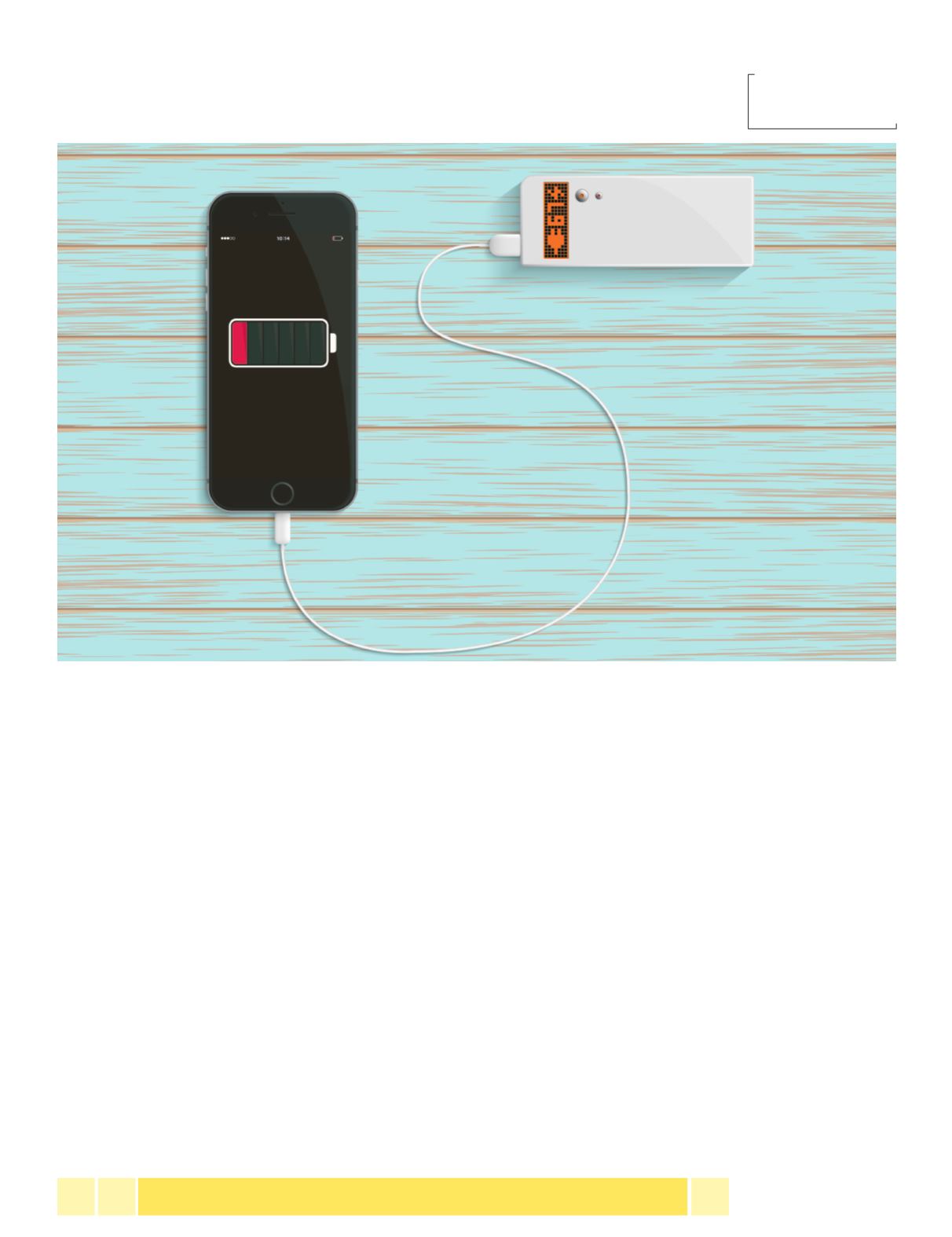
lar category of promotional products. These conven-
ient devices are used to recharge portable devices such as cell
phones. They are typically charged from a USB connection and
provide a charge to a product in a similar way.
The issue is that the quality of construction for these devices varies radically
from supplier to supplier. Currently these devices are allowed to be considered as
lithium-ion batteries contained in equipment. However, the International Air
Transport Association (IATA) is proposing to require them to be shipped as bat-
teries instead.
BLAST FROM THE PAST
MORE CHANGES IN STORE FOR LITHIUM-ION POWER PACK REGULATIONS
BY CINDY MILLSAPS
(This article is a follow-up to “Buyer Beware: Lithium-ion Power Packs Require Careful Transport” in
PPB
’s December 2014 issue.)
P
MARCH 2015 •
PPB
• 79
THINK